Dairy on a keto diet
What is the difference between A1 and A2 milk?
Researchers believe that originally all cows could only give milk containing A2 casein, but a few thousand years ago, through a genetic mutation, cow breeds whose milk contains A1 casein were created.
A2 milk: Does not contain A1 casein.
A1 milk: Contains A2 casein, so it can cause digestive complaints, increase inflammation, lead to intestinal leakage and other problems.
What kind of animals can product type A2 milk?
Goats, sheep, buffalo, Jersey cattle, but the staff of the Animal Husbandry Department of the University of Debrecen are investigating additional A2 milk sources.
Why are raw dairy products good?
Quite simply, because it is living food, full of beneficial bacteria, enzymes, and vitamins, most of which are heat-sensitive, so they are destroyed during pasteurization.
Bacteria
Raw, especially fermented milk products are rich in beneficial bacteria, which are essential for a healthy life. They are responsible for stimulating and maintaining the proper functioning of the immune system. By eating foods rich in beneficial bacteria, we can contribute to increasing the amount of bacteria in the gut.
Of course, in addition to beneficial bacteria, raw dairy products can potentially carry pathogens and make you sick, but we can avoid this by strengthening our stomach acid and buying dairy products from the right sources.
Enzymes
Products made from raw milk contain lactase, lipase and phosphatase enzymes, among others. These enzymes help the body to digest the milk better and use the nutrients in it more efficiently. Enzymes such as phosphatase help calcium to be absorbed properly, while other enzymes such as amylase and lactase help digest the sugars in milk. The presence of the lactase enzyme helps with problem-free digestion in the case of individuals who are sensitive to lactose.
Natural vitamins
Raw milk is rich in fat-soluble vitamins, especially vitamins A, K and E, and many water-soluble ones, such as vitamin C and B vitamins. However, many vitamins are heat-sensitive, so their amount is significantly reduced during pasteurization.
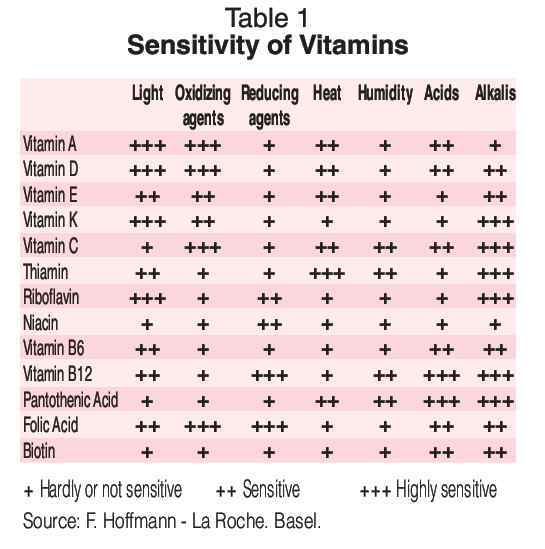
In the picture: Table on heat sensitivity of vitamins.
Who do I recommend dairy products to?
First of all, for those who are able to see it as a functional food, know their body, are moderate and conscious, because according to our experience, when used wisely, dairy products support the building of the body. However, if your primary goal is to lose weight, then do not consume dairy products, because they inhibit weight loss.
Although the international medical community does not reach a consensus in the case of some chronic diseases, we have seen in many cases that products from quality sources have had a beneficial effect on the underlying disease in many cases. We recommend that you consult your doctor before introducing functional dairy products.
What dairy products should you avoid?
- products from large-scale industrial production
- heat-treated/processed products
- cottage cheese
- yogurt
- fruit yogurts
- cream cheese curds
- milkshakes
The problem with heat-treated, processed products is that they destroy all the useful substances in them, upsetting the balance, so they can cause serious health problems. Also, the fact that their primary goal is to achieve a higher milk yield doesn’t make the large-scale manufacturers look good either, and that’s why they are willing to have a say in the order of nature.
What dairy products do I use and why?
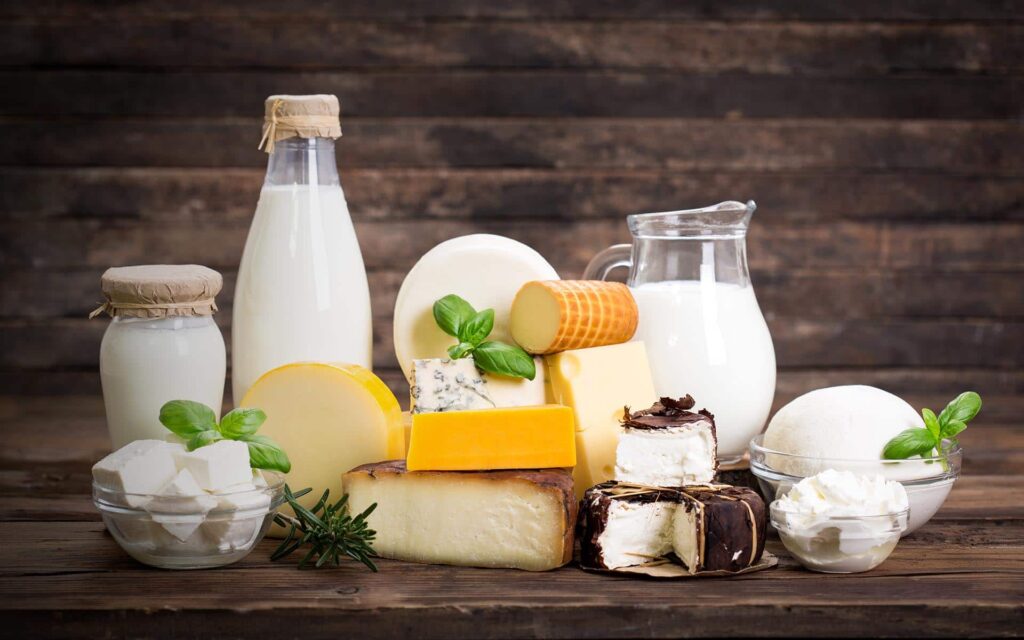
Attention! Below we are talking about raw, high-quality dairy products made from the milk of animals grazed on grass!
In case of digestive complaints
If quality raw milk products also cause digestive complaints, then it is necessary to replace the enzymes: for example, with raw honey (do not heat or add to warm liquid).
If symptoms occur even after enzyme supplementation, dairy products must be completely excluded from the diet.
So should I eat or not eat dairy now?
The topic of dairy products is one of the most divisive areas in nutrition science.
My point of view is that everyone should first ask their doctor’s opinion about whether they can consume dairy products.
If dairy products still cause problems, don’t force them, and if you experience beneficial effects, use them consciously!
If you are not sure whether you can consume dairy products and want to customize your diet, I look forward to meeting you at a consultation or at the four week long lifestyle changing program!
You can find the extended content at the KETO KNOWLEDGE BASE.
- Precise application of dairy products.
- What dairy products can I eat and what should be avoided.
- How should dairy products be consumed?
- Which dairy products should you eat when?
- Which dairy products have a role in the ketogenic lifestyle?
- Which dairy products are allowed on a daily basis and which should be consumed less often?
- And much more important information!