Fats
What are we gonna talk about today?
What is fat? Fat is a macronutrient that provides our body with long-term energy. It is essential for the healthy hormonal system, the structure and functioning of our cells, brain and other organs, the absorption of vitamins A, D, E, K and the optimization of the functioning of the immune system.
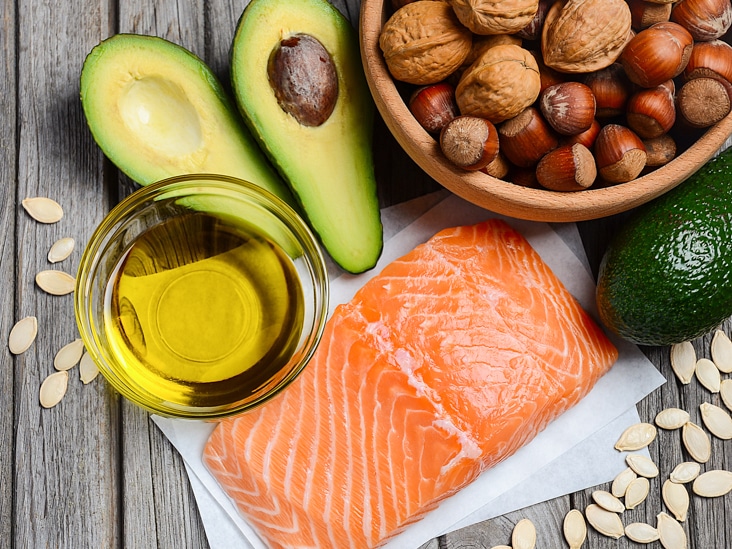
What are healthy fats?
- milk fats from raw, quality A2 milk
- ghee
- coconut oil
- unprocessed avocado, olive and walnut oil
- fat from free range animals
- farm eggs
- fatty fish (mackerel, salmon, herring, sardines, anchovies)
Which fats should we avoid?
- sunflower oil
- soybean oil
- cottonseed oil
- corn oil
- processed vegetable oils
How does high fat intake affect cholesterol and triglyceride levels?
Cholesterol plays an essential role in the structure and functioning of our body
- participates in the construction of cell membranes
- one of the constituents of bile acids
- precursor of countless hormones
LDL cholesterol:
Its role is to transport cholesterol from the liver to the cells. Most of it returns to the liver or is taken up by the cells, a smaller part is incorporated into the vessel wall.
HDL cholesterol:
Its role is to absorb cholesterol that is not taken up by the cells, which it transports back to the liver, where part of it is excreted with bile. It also absorbs LDL cholesterol, which forms plaques in the bloodstream and on vessel walls, thus significantly contributing to keeping blood vessels healthy.
Cholesterol levels are 70% regulated by our body, and 30% by the quality of the food we eat.
Omega-3 and omega-6 ratio
The most important omega-3 fatty acids are EPA and DHA. They are found in fatty fish and fat from grass-fed animals. Long-chain fats are key to brain health, reducing inflammation and building cells. Omega-3 fats may also reduce heart disease risk factors, although results from high-quality studies are mixed.
Omega-3 fat sources
- Fatty fish (salmon, mackerel, herring, sardines, anchovies)
- Grass-fed animals
- Dairy products from grass-fed animals
- Eggs from free-range chicken
- Algae
- Chia seed
- Flax seed
- Hemp seed
- Walnut
Omega-6 fat sources
It is found in almost all foods, including meats and seeds.
What fats should I use for frying?
- ghee
- coconut oil
- animal fats
These fats resist heat because they have a higher smoke point than vegetable oils. To minimize the risk caused by vegetable oils, we recommend cooking with butter, bacon or other heat-stable fats. For example, you can use unheated/unprocessed avocado oil, olive oil, and homemade mayonnaise as a salad dressing.
How much fat do I eat on a ketogenic diet?
In the ketogenic diet, calories are usually approx. Fats make up 70-80% of it, but it depends on a lot of things. For example, from your individual goal!
You may have heard that no matter how many calories you consume on a ketogenic diet, you will definitely lose weight. Unfortunately, it’s not that simple! Eating more fat than you need can slow down or even stop your weight loss.
If you would like help setting the exact fat/protein/carbohydrate consumption, I look forward to seeing you on a consultation, or join our lifestyle changer program starting at the beginning of each month: lifestyle!