Which vegetables are best for the ketogenic diet?
In a strict ketogenic diet, carbohydrate intake is usually 20-30 grams, which is 5% of total calories. It is worth choosing and portioning vegetables carefully, and for this it is important to know how many carbohydrates are in each vegetable.
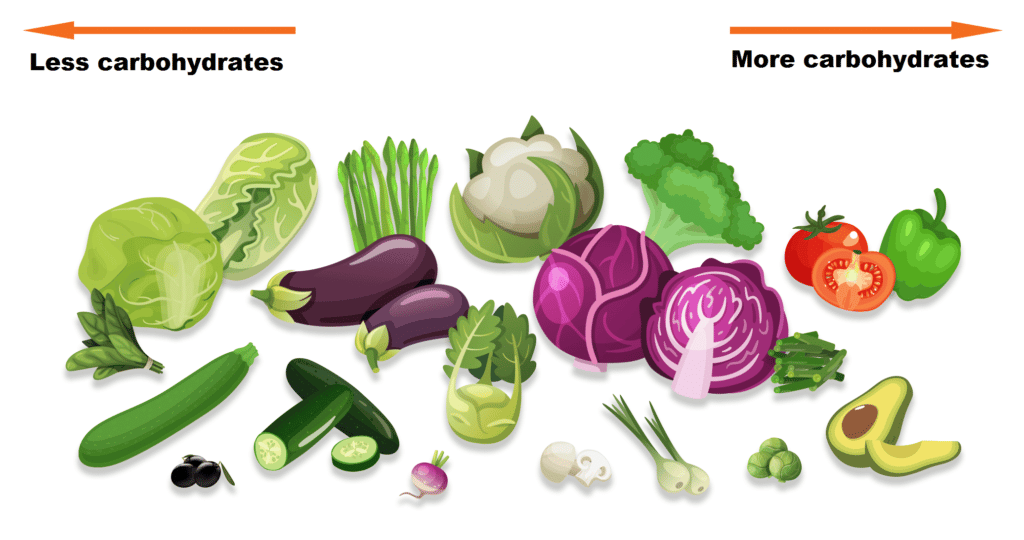
We basically classify vegetables into two groups from the point of view of ketogenic nutrition:
Grows above ground
They are usually green vegetables. They are characterized by low carbohydrates, easy digestibility and high fiber content. Above-ground vegetables contain more anti-nutrients, so they should be consumed judiciously. Soaking in vinegar or lemon and heat treatment can neutralize some plant toxins, but there are some that neither method has a reducing effect on.
Grows underground
Tuberous vegetables. A category of vegetables with a higher carbohydrate content, harder to digest, and low fiber content. Underground vegetables, i.e. root vegetables, usually contain more carbohydrates, so they should be consumed in moderation.
Tips for eating vegetables:
- If you heat treat them, do it with butter, ghee, other animal fat or coconut oil.
- If you consume dairy products, it is worth making butter or cream-based sauces and dressings with the vegetables, so that you can increase the amount of fat you take in and thus compensate for the carbohydrates you take in.
- You can also boost your salad with extra virgin olive or coconut oil.
- Peel as much as possible, soak the leafy vegetables in vinegar or lemon water, then rinse thoroughly.
- You can also grill some vegetables.
Top 10 vegetables on keto:
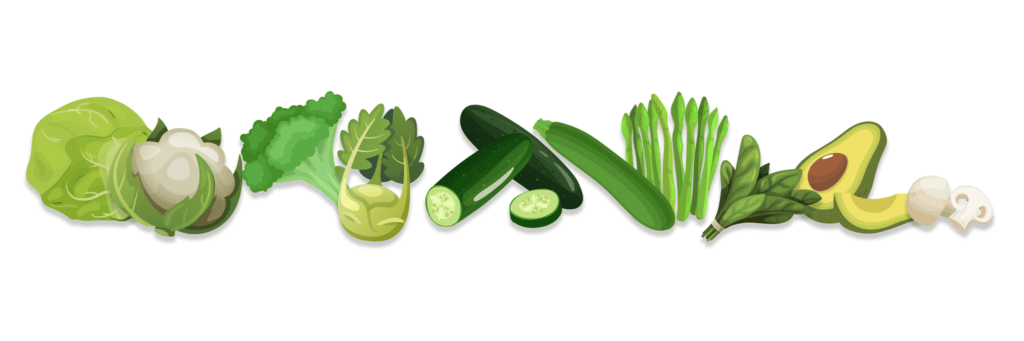
- Spinach – 1 g. An extremely low-carb, keto-friendly vegetable. Rather, it can be used heat-treated and pureed, we can also use it to make an excellent pottage with whipped cream.
- Asparagus – 2 g. A nutritious and very low-carb vegetable that’s fantastic with hollandaise sauce, for example.
- Avocado – 2 g. Avocado is actually a fruit, but there is no reason to be afraid of it, as it is full of nutrients and healthy fats. It can be eaten raw or heat-treated, and it can also be used to make avocado cream.
- Zucchini – 3 g. If you have cravings for pasta, use the spiral cutter, because zucchini can be used to make a great “pasta” for a good keto bolognese or carbonara.
- Kale – 3 g. The tender leaves can be eaten raw, the greener, stronger leaves can be thinly sliced and fried or grilled in fat, but they can also be used to make casseroles. One of the popular French side dishes, creamed kale, is cooked in cream or ghee with bacon, you should try it too!
- Cauliflower – 3 g. It is a versatile vegetable, with a variety of uses. It can also be used to imitate other foods such as: rice, pizza dough, mashed potatoes, but should be avoided in case of thyroid and autoimmune diseases.
- Mushroom – 3 g. A versatile ingredient, it can serve as a base for soups, but it can also be used as a side dish if steamed using butter and well salted.
- Broccoli – 4 g. A tasty and simple side dish option instead of pasta, rice or potatoes. Steamed, fried in butter, dry-fried with cheese sauce, fried in auratti, toasted with bacon is the most delicious. It is important to know that, unfortunately, this is also not recommended for thyroid and autoimmune patients.
- Green beans – 4 g. You can prepare it in the form of a stew, it can be steamed or baked. It goes well with lard and butter, but it irritates the intestines, so it is recommended to consume it only occasionally.
(We give the net value of the amount of carbohydrates per 100 gram portion, i.e. we do not take into account their fiber content, as they are not absorbable carbohydrates.)
TIP:
You have to be more careful with vegetables with a higher carbohydrate content, such as bell peppers (red and yellow ones in particular contain more carbohydrates, green ones less). With the ketogenic diet, you usually have to stay in the range of 20-30 grams of carbohydrates per day, but this value can also vary from individual to individual. If you want to know exactly how many carbohydrates you can eat, you will need personalized advice. Then I will be happy to help you, I look forward to seeing you on a consultation.
Vegetables that cannot be eaten in the ketogenic lifestyle:
Legumes
Legumes like peas, beans, lentils, corn and even quinoa are quite high in carbohydrates – so we don’t eat them on a ketogenic diet.
Grains
Grains are extremely high in carbohydrates. Bread, cereals, pasta, baked goods etc. made from wheat flour. – they contain carbohydrates that are quickly converted into glucose, thus greatly increasing blood sugar levels. Whole grain products (brown bread) have a very similar effect on blood sugar levels, so they should not be consumed either.
Starchy vegetables
Rice, potatoes, and sweet potatoes are also prohibited foods because they are high in carbohydrates.
For full extended content visit: keto knowledge base.
What else does the extended knowledge base contain?
- Precise use of vegetables in the ketogenic diet.
- How should you eat vegetables?
- Which vegetables should be eaten and when?
- Recipes from specific vegetables
- Which vegetable has a role in the ketogenic lifestyle?
- Which ketogenic vegetables are allowed on a daily basis and which should be eaten only on a weekly basis?
- List of ingredient sources with links.
- Shopping list and much more useful information.